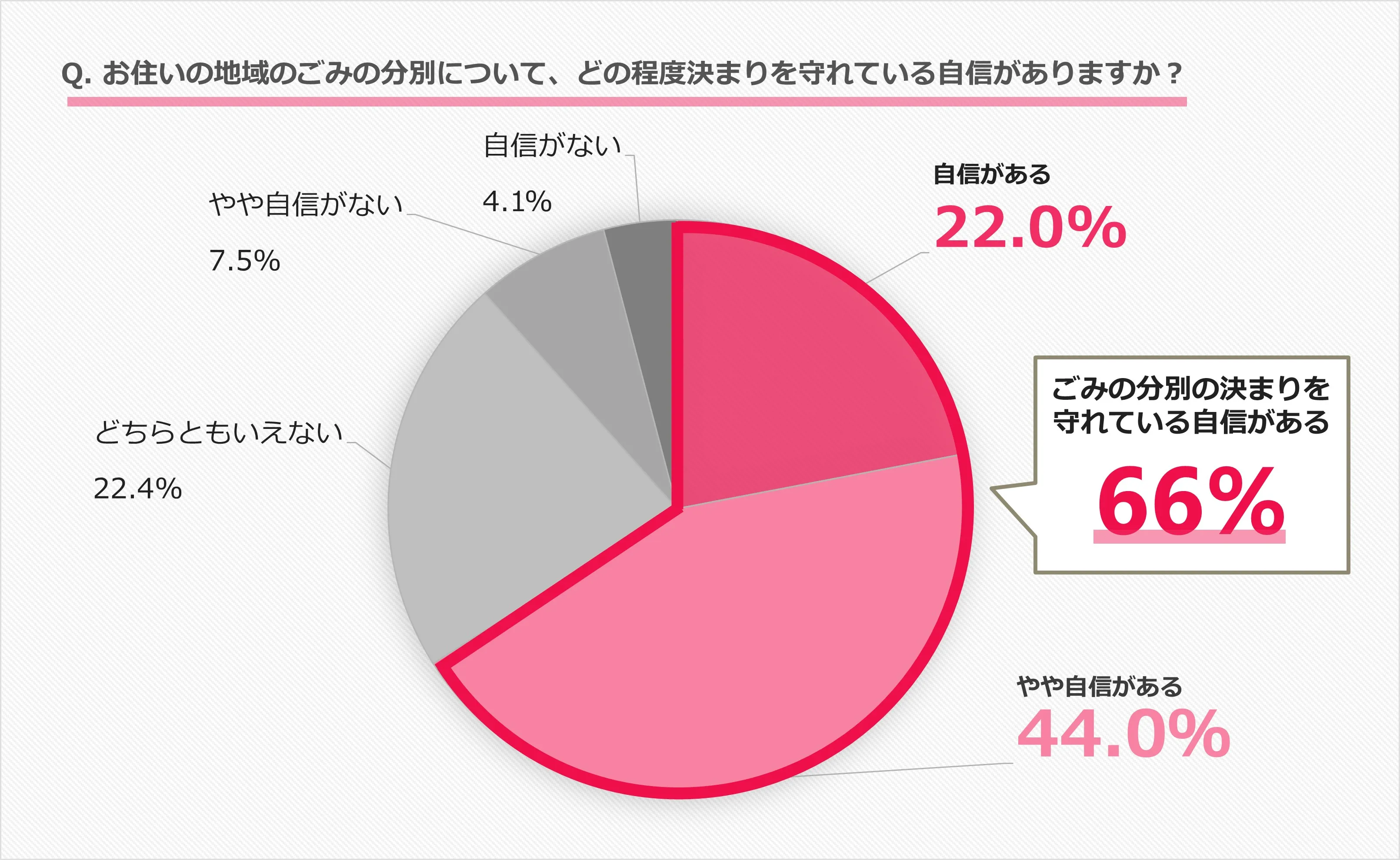
Prior to the opening event of "Zero Waste Fest 2026," to be held on Sunday, May 3, 2026, our company conducted a survey of men and women aged 20 to 60 across Japan regarding their environmental awareness and waste sorting habits. The results have been compiled into the "Garbage White Paper 2026" and published on our website. This survey has been conducted continuously since 2024, and this is the third publication of the "Garbage White Paper."
This survey revealed that while there is an understanding of waste sorting, there is a tendency to prioritize convenience and price over environmental considerations when it comes to collecting used containers and making purchasing decisions.
The key to increasing the utilization rate of used container collection boxes is their location and incentives.
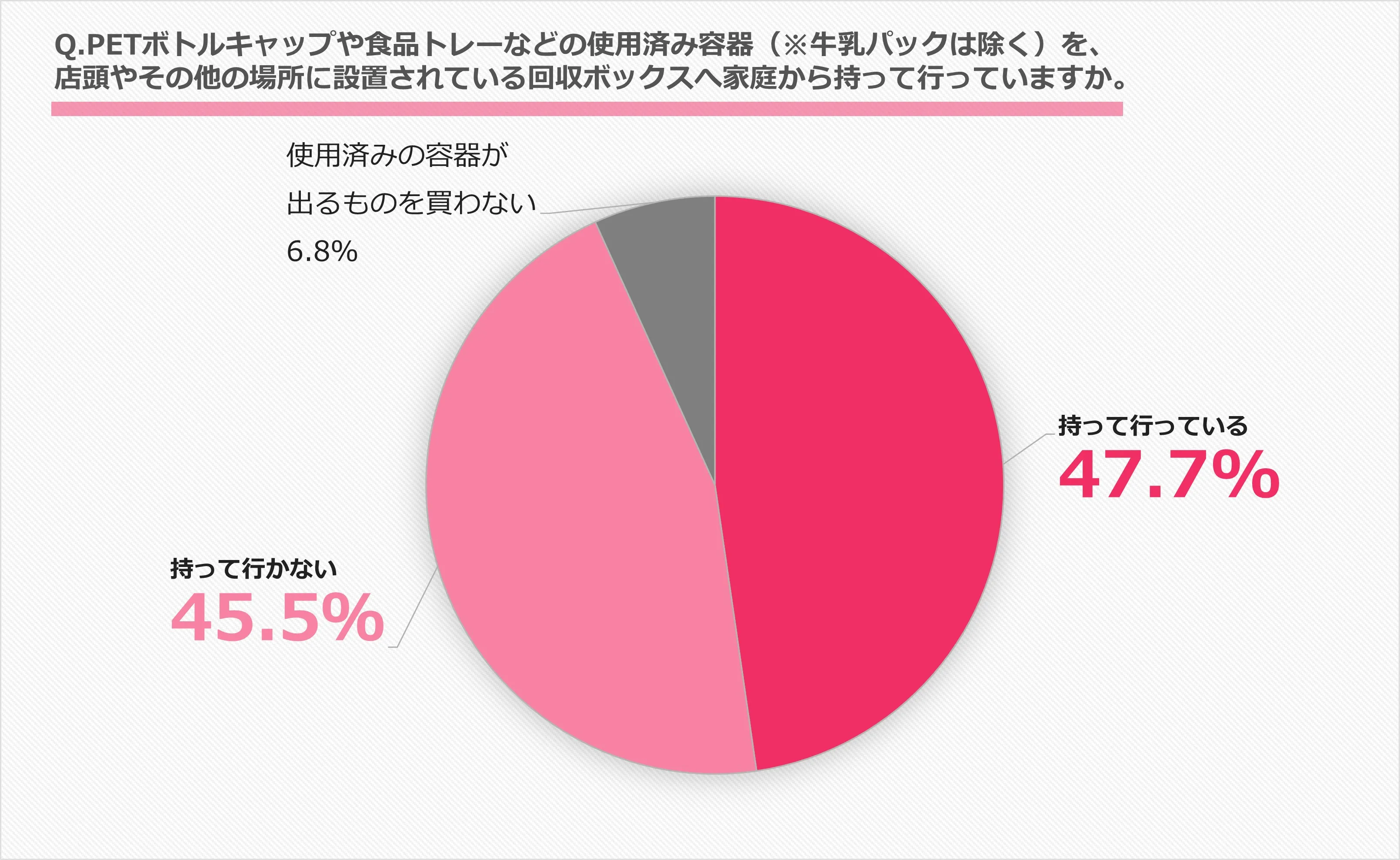
A survey asking whether people bring used containers to collection boxes revealed that the responses were almost evenly split between "yes" and "no."
In addition, when we investigated the conditions that encourage the use of collection boxes, the following were frequently cited:
• The collection point is within my living area.
• There is a collection box at the garbage disposal area at my home.
- You can receive incentives such as points.
The development of collection points that can be easily used within people's living areas, and the creation of mechanisms that make participation easier, have resulted in an expected increase in the utilization rate of collection boxes.
When purchasing products, there is a tendency to prioritize price and ease of use over environmental considerations.
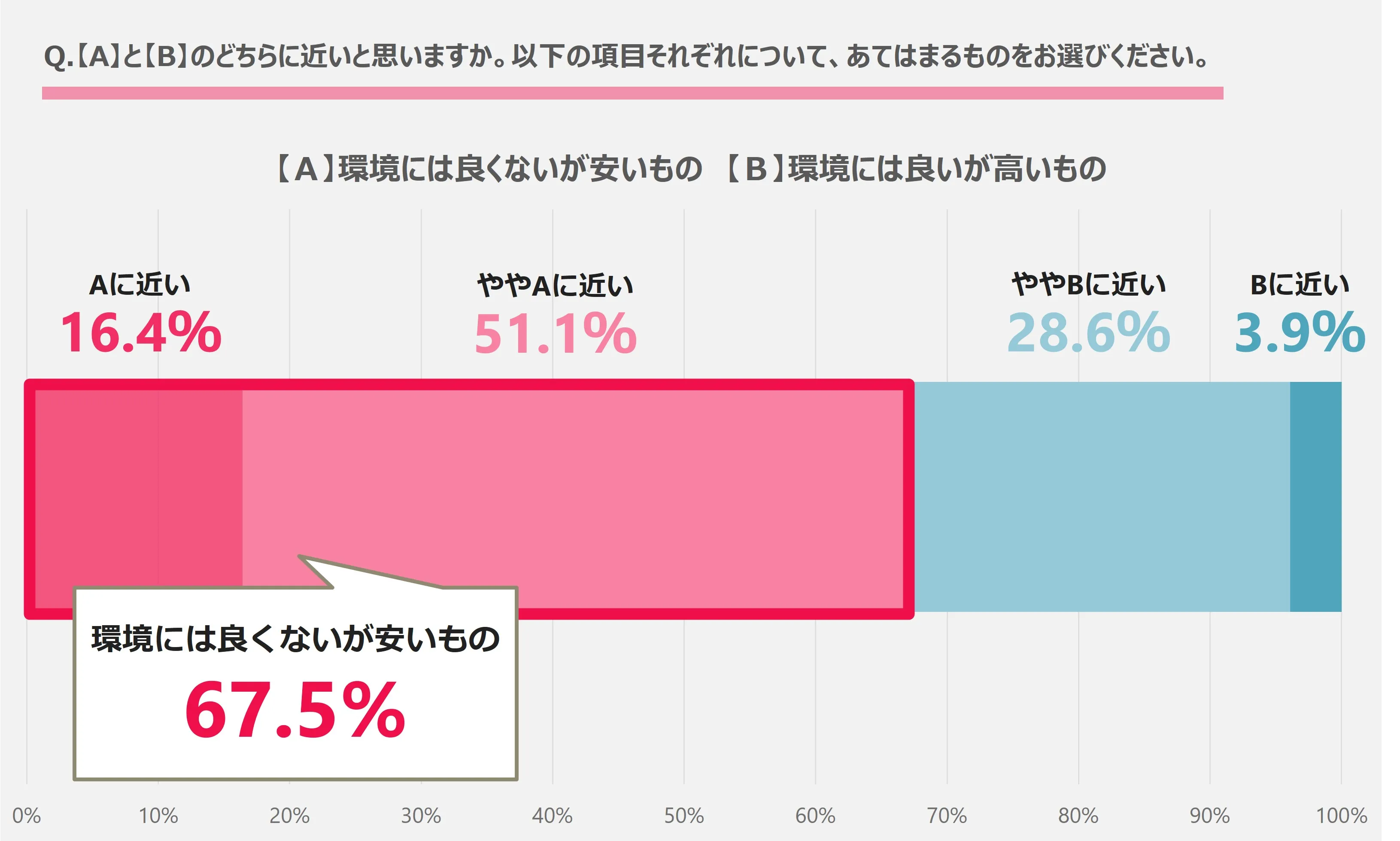
A survey investigating whether people choose "cheap items that are bad for the environment" or "expensive items that are good for the environment" when purchasing groceries such as food and daily necessities revealed that over 60% of people tend to prefer the former.
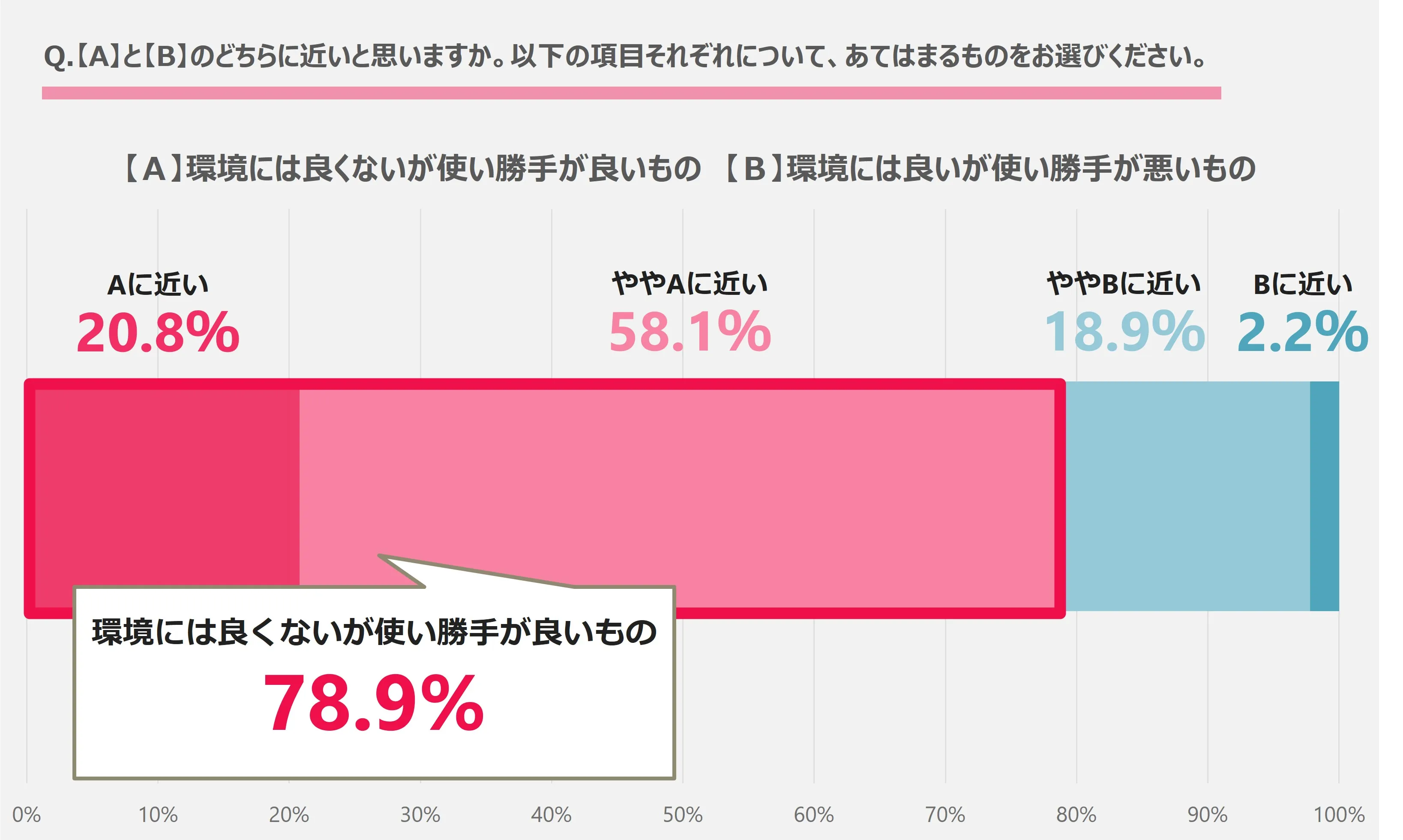
Furthermore, when asked whether they would choose "something that is not good for the environment but is easy to use" or "something that is good for the environment but is difficult to use," approximately 80% of respondents leaned towards the former. This indicates a tendency to prioritize "price" and "ease of use" over environmental considerations when purchasing food and other products.
On the other hand, the results showed that for higher-priced items such as home appliances, houses, and cars, there was a relatively higher tendency to prioritize environmental considerations compared to everyday shopping items.
Based on our medium- to long-term environmental goals, "Eco Action Plan 2030," our group is working to reduce our environmental impact with the aim of realizing a decarbonized society, a resource-recycling society, and a society in harmony with nature. Based on the results of this survey, we will promote product design that takes sorting into consideration and the development of systems that promote the collection of used containers, thereby contributing to the realization of a circular economy. In addition, we will continue to conduct regular surveys to understand changes in consumers' environmental awareness and behavior, and promote more effective measures.